Baby Clothes for Premature and NICU Babies: What You Need to Know
When a baby arrives early, the usual advice about clothes does not quite fit. Sizes run small, comfort matters more than ever, and there may be time in special care with its own gentle rules. This is a calm, practical guide for parents of premature and NICU babies.
Every hospital and every baby is different, so always follow the guidance of your care team first. What follows is here to help you feel prepared, not to replace their advice.
Clothing while your baby is in special care
In the NICU or special care nursery, your baby may spend the early days in just a nappy so staff can monitor them closely and keep them warm in a humidified crib. As they grow stronger, the nurses will let you know when your baby can start wearing clothes and often when you can help dress them.
When that time comes, hospitals usually prefer simple pieces that open fully and flat, so leads and monitors are not disturbed. Front opening styles are far easier than anything pulled over the head. If you are bringing clothes in, check with your nurses first about what suits your baby's care at that moment.
What size do premature babies wear?
Premature clothing is smaller than standard newborn size. As a rough guide, a size 00000 suits very small babies up to around 2.5kg, while 0000 fits many babies up to about 3.5kg. Some babies born early are dressed in doll sized or specialist preemie ranges at first, then move into 00000 and 0000 as they gain weight. Because early growth can be quick once feeding is established, it helps to have a small number of the tiniest sizes and a few of the next size ready.
What to look for in clothes for a premature baby
- Soft, breathable organic cotton. Early skin is especially delicate, so a gentle natural fabric with minimal chemical finishing is kinder against it.
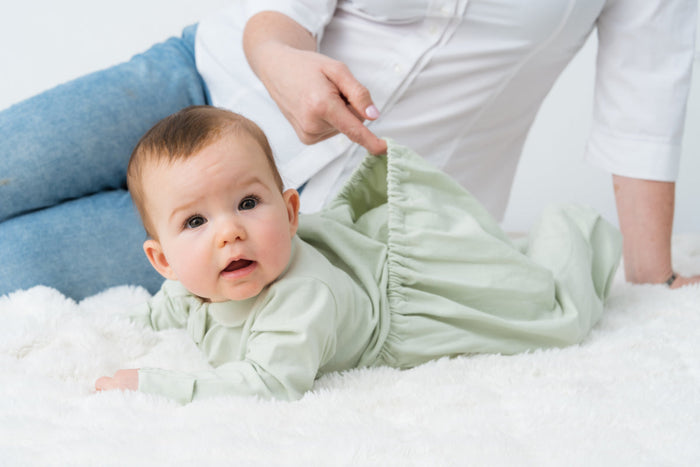
- Front opening with a zip or flat fastening. This lets you dress and change your baby with the least handling and without going over the head.
- Flat seams and soft or printed labels. Nothing raised or scratchy against fragile skin.
- Fold back cuffs. Handy for covering tiny hands and feet, and for adjusting as your baby grows.
- Easy nappy access. Frequent changes are gentler when the clothing opens easily at the bottom.
Bringing your baby home
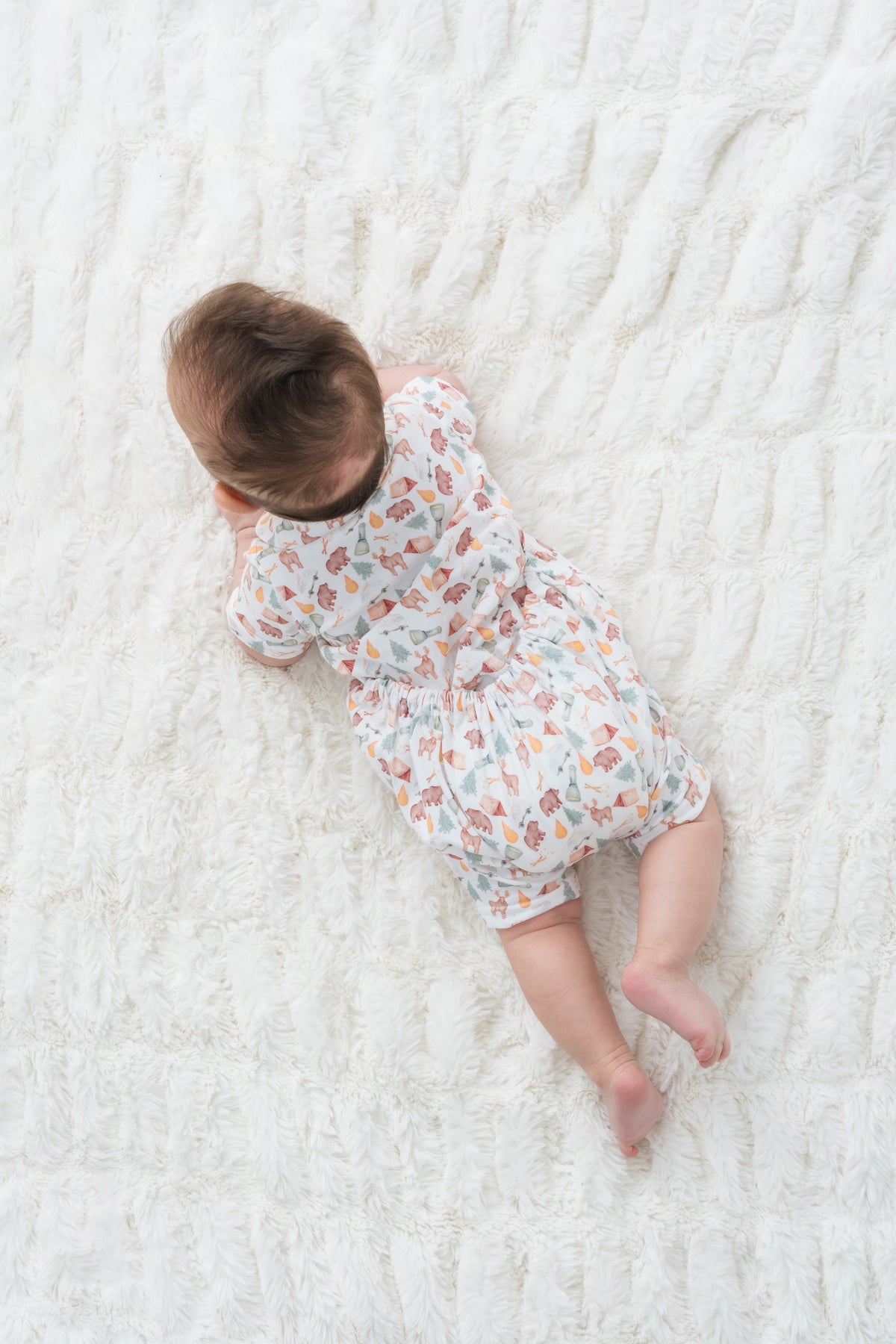
Coming home is a huge milestone, and it can feel daunting after the routine of hospital. For the first weeks at home, keep dressing simple. Front opening zip suits and rompers make the many daily changes easier and mean less handling of a small baby who is still building strength. Have a couple of the tiniest sizes ready, since preemie babies often stay small for a little while before catching up.
Layering is your friend. Rather than one heavy outfit, use a light zip suit with a wrap or blanket you can add or remove, so you can adjust to the room without undressing your baby. Watch for the same overheating cues as any newborn, feeling the chest or back of the neck rather than the hands to judge temperature.
Caring for the clothes
Wash new clothes before the first wear to remove any manufacturing residue, using a gentle, fragrance free detergent. Skip fabric softener, which can leave a coating and irritate sensitive skin. Organic cotton copes well with frequent washing and stays soft, which matters when you are doing a lot of laundry in these early weeks.
A gentle note
The early days with a premature baby ask a great deal of parents. Clothing is one small thing you can get right and control, and the right pieces genuinely make the daily care a little easier. Dream with Baker was created by a mum who understands how much the small details matter in those first weeks, which is why every piece is designed around comfort and easy changes. You can read more about that on our about page.
Frequently asked questions
What size clothes do premature babies wear?
Premature sizing is smaller than standard newborn. Size 00000 suits very small babies up to around 2.5kg, and 0000 fits many up to about 3.5kg. Some very early babies start in specialist preemie ranges before moving into these sizes.
Can my baby wear clothes in the NICU?
It depends on your baby's condition. Early on they may stay in just a nappy so staff can monitor them and keep them warm, then begin wearing simple front opening clothes as they grow stronger. Always follow your care team's guidance.
What clothing is best for a premature baby?
Soft organic cotton with a front zip or flat fastening, flat seams, non scratchy labels and easy nappy access. These allow dressing and changing with the least handling of delicate skin.
Should I wash premature baby clothes before use?
Yes. Wash new clothes before the first wear using a gentle, fragrance free detergent and no fabric softener, to remove any residue and keep the fabric soft against sensitive skin.