Does White Noise Help Babies Sleep? What to Know
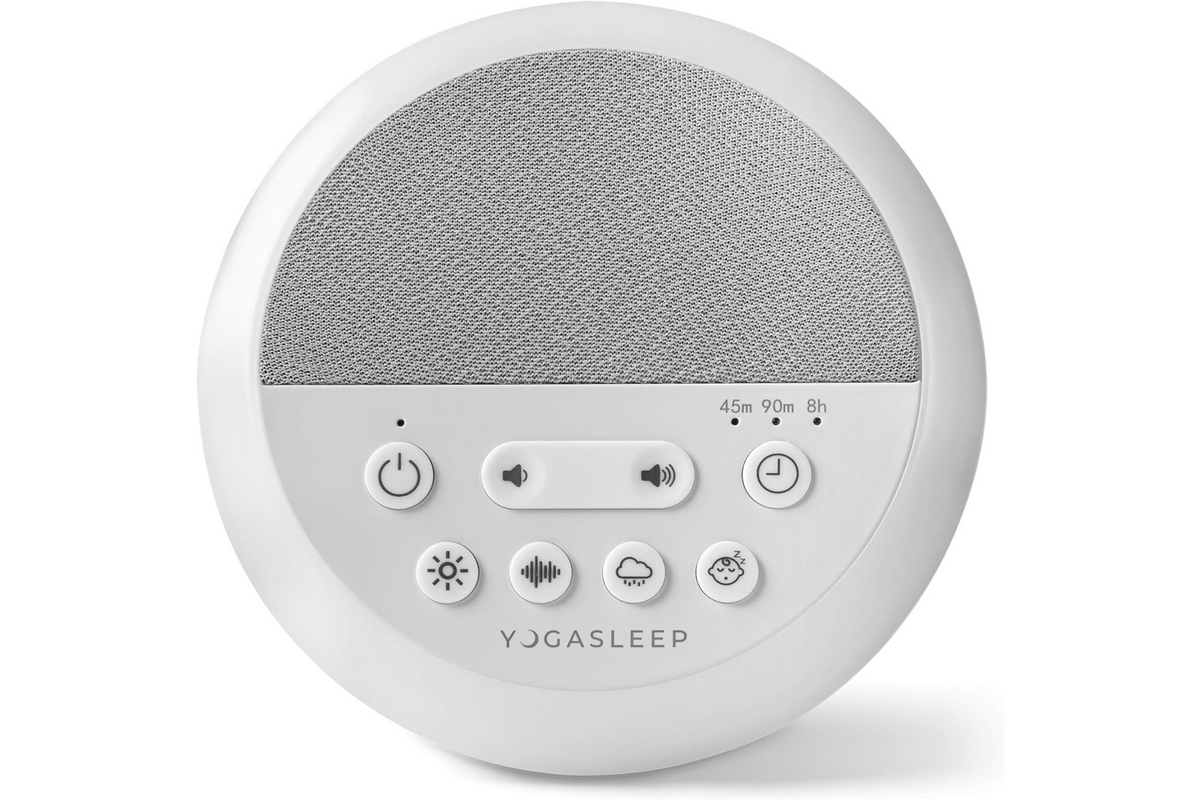
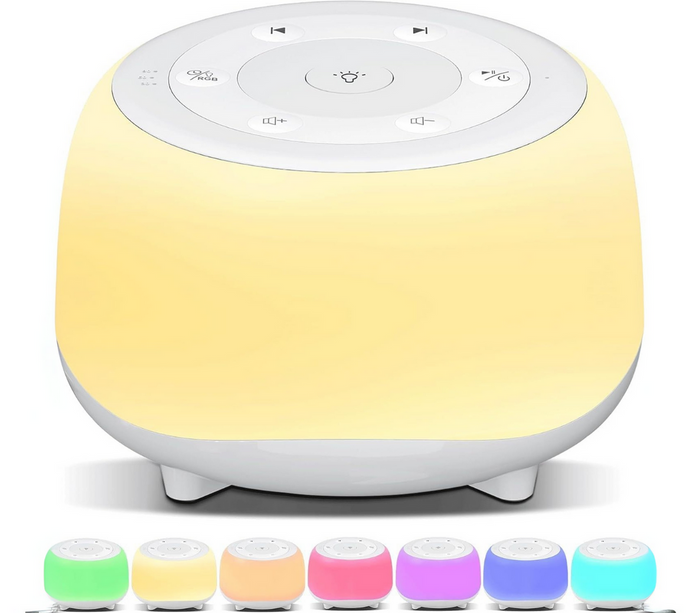
White noise machines are everywhere in baby world, but do they actually work, or is it just a trend? The honest answer is that for many babies they genuinely help, and there are good reasons why.
Here is a clear look at what white noise does, what the thinking behind it is, and how to use it safely so it helps your baby sleep rather than getting in the way.
Why white noise soothes babies
Newborns have spent months in the womb, which is a surprisingly loud place, full of the constant whooshing of blood flow and muscle. Silence is the unfamiliar thing to a new baby, not sound. A steady, gentle noise mimics that familiar environment and helps a baby feel settled, which is why so many parents notice their baby calms when the vacuum or the shower runs.
The two ways it helps sleep
White noise works on sleep in two practical ways:
- It soothes. The steady sound is calming and helps a baby move toward sleep, especially during a fussy wind down.
- It masks. A constant background sound covers sudden noises, a door, a dog, an older sibling, so your baby is less likely to startle awake mid sleep. For light sleepers, this is often the bigger benefit.
Together, these can turn short, easily interrupted sleeps into longer, calmer stretches, which is what most tired parents are really after.
What the thinking says
The idea behind white noise is well established, that a consistent sound provides a familiar, soothing backdrop and reduces the sudden changes in noise that wake a light sleeper. Many parents find it makes a real difference to settling and to nap length. As with anything sleep related, babies vary, so some respond strongly and others less so. It is a low cost, low risk tool worth trying if your baby struggles to settle or wakes easily at noises.
Using it safely
The benefits come with a few simple safety rules, and following them is what makes white noise a genuinely good idea:
- Keep the volume low, below the level of a normal conversation.
- Place the machine away from the cot, across the room rather than beside your baby's head.
- Use it for sleep, not constantly around the clock.
- Choose smooth, continuous sound rather than a jarring short loop.
Is white noise safe for newborns?
Used with those rules in mind, yes. The concern raised about white noise is only when it is played too loud or too close, which is easily avoided with sensible volume and placement. Kept gentle and used for sleep, it is a helpful tool that many families rely on happily for months.
When it might not be the answer
White noise is not magic, and it works best alongside the basics of good sleep rather than instead of them. If your baby is uncomfortable, too warm, hungry or overtired, a machine alone will not fix it. Pair it with a calm routine, the right room temperature and comfortable sleepwear, and it becomes one reliable part of a bigger picture. Our guide to a baby sleep routine covers how it all fits together.
The bottom line
For many babies, white noise genuinely helps them settle and stay asleep, by recreating the familiar sound of the womb and masking the noises that would wake them. Used at a low volume and a sensible distance, it is safe, simple and worth trying. If you want to choose a machine, our buyer's guide compares the options.
Frequently asked questions
Does white noise actually help babies sleep?
For many babies, yes. It recreates the familiar constant sound of the womb, which soothes, and it masks sudden noises that would otherwise wake a light sleeper, helping naps and night sleep last longer.
Is white noise safe for a newborn?
Yes, when used sensibly. Keep the volume low, place the machine across the room rather than beside the cot, and use it for sleep rather than constantly. Those steps make it a safe sleep aid.
Why does white noise calm babies?
The womb is a noisy place, so a steady gentle sound feels familiar and reassuring to a newborn, while silence can feel unsettling. That is why many babies calm when they hear a constant background noise.
Can white noise become a bad habit?
It is a sleep association, not a harmful habit. Many families use it happily for months and phase it out naturally as their baby sleeps more soundly. There is no need to rush stopping it.